Healthy Fish Bowl: A Vibrant, Nutritious Meal Ready in 30 Minutes
Prep Time: 10 minutes | Cook Time: 20 minutes | Total Time: 30 minutes | Servings: 2 | Calories: ~580 per serving
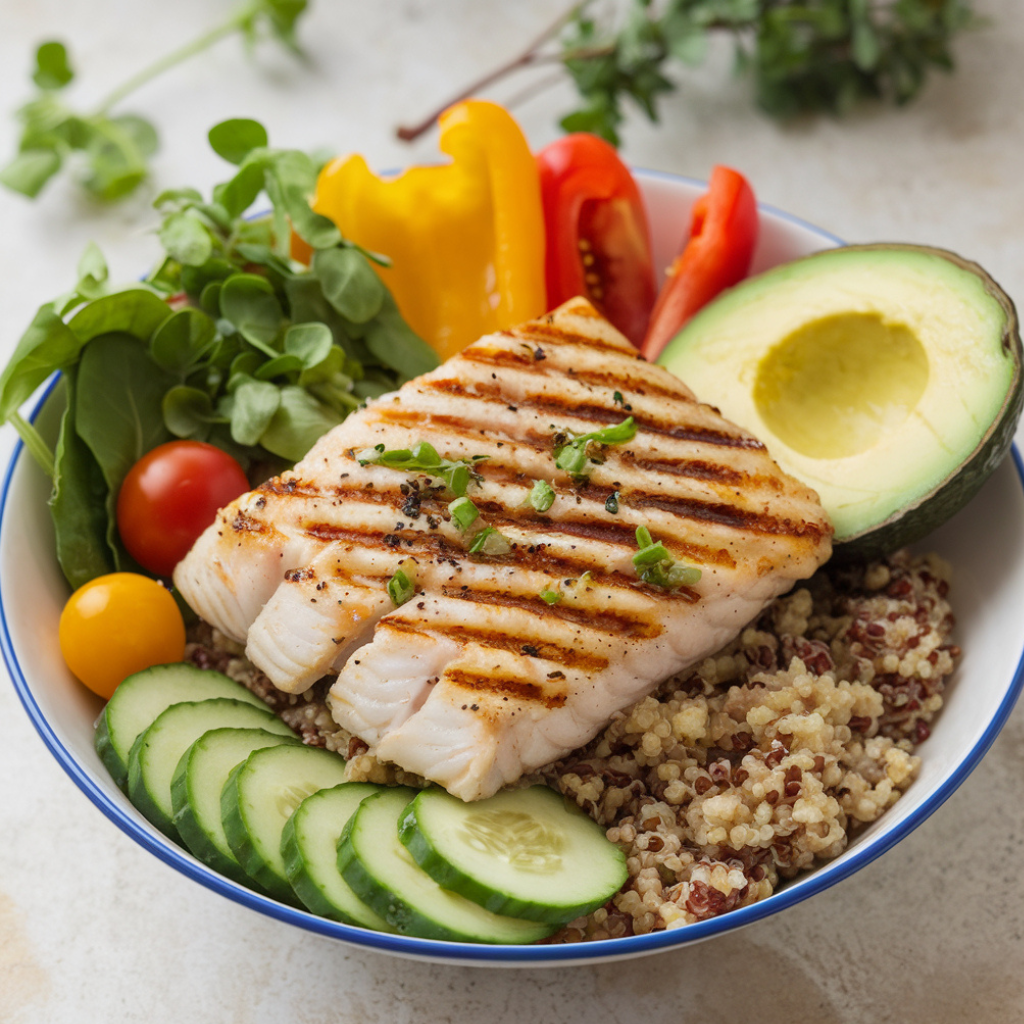
Bowl meals have become a staple of healthy eating for good reason — everything in one place, perfectly balanced, endlessly customisable. But not all bowls are created equal. This healthy fish bowl is the kind that makes you genuinely excited to eat well: a golden, Dijon and wheat cracker-crusted salmon fillet over a base of fluffy quinoa or brown rice, surrounded by sliced avocado, crisp leafy greens, bright fresh vegetables, and a punchy lemon tahini dressing that ties everything together.
It looks like something from a health café. It tastes even better than it looks. And once you’ve made it once and understand how the components work, you can put it together in 30 minutes from scratch — or in 10 minutes if you’ve prepped the grains ahead.
This is a complete, balanced meal: high-quality protein from the salmon, complex carbohydrates and plant protein from the quinoa, healthy fats from the avocado and olive oil, and a full serving of vegetables. Everything your body needs, in a bowl that’s genuinely beautiful to look at.
What Makes This Bowl Work
Every component earns its place:
The crusted salmon is the star. Coating salmon fillets in Dijon mustard and crushed wheat crackers and baking them creates something genuinely special — the mustard acts as a flavourful binding agent that keeps the cracker crust adhered to the fish, and the crackers toast in the oven into a golden, slightly crunchy coating that contrasts beautifully with the moist, flaky salmon beneath. It’s a technique borrowed from classic French cuisine, adapted here into a simple, oven-friendly method.
Quinoa or brown rice provides a base — filling, nutritious, and good at absorbing the dressing. Quinoa is my first choice here because it’s a complete protein (containing all nine essential amino acids), which means the bowl has an even higher total protein content than if you used white rice. Brown rice is heartier and nuttier — both are excellent.
Avocado adds creamy richness and healthy monounsaturated fats. It also provides potassium, vitamin E, and folate. In a bowl context, avocado functions as both a flavour element and a textural contrast — cool and silky against the warm, crusted salmon.
Leafy greens and fresh vegetables add colour, crunch, vitamins, and fibre. The variety of colours in this bowl isn’t just aesthetically pleasing — each colour represents a different set of phytonutrients and antioxidants.
The lemon tahini dressing is what makes a good bowl great. Drizzled over everything, it adds a nutty, tangy, slightly creamy element that pulls all the components into a coherent dish rather than a collection of separate ingredients.
Ingredients
For 2 bowls:
For the crusted salmon:
- 2 salmon fillets (about 150g / 5oz each), skin on or off
- 1 tbsp Dijon mustard
- 1 tbsp extra virgin olive oil
- ½ cup (about 30g) whole wheat crackers, crushed finely
- Salt and black pepper to taste
- Lemon zest from ½ lemon — optional but recommended
For the bowl base:
- 1 cup (180g) dry quinoa or ¾ cup (150g) dry brown rice
- 2 cups (480ml) water or vegetable stock for quinoa / 1½ cups for rice
- Pinch of salt
For the toppings:
- 1 ripe avocado, sliced or diced
- 2 large handfuls of mixed greens — spinach, rocket, or mixed salad leaves
- 1 cup (150g) cherry tomatoes, halved
- ½ cucumber, sliced
- ½ cup (80g) shredded red cabbage — optional, adds colour and crunch
- 1 small carrot, grated or julienned
- Lemon wedges, to serve
- Sesame seeds or pumpkin seeds, to garnish
For the lemon tahini dressing:
- 3 tbsp tahini
- 2 tbsp fresh lemon juice
- 1 tbsp extra virgin olive oil
- 1 small garlic clove, grated
- 2–4 tbsp water — to thin to a drizzleable consistency
- Salt and black pepper to taste
- Pinch of cumin — optional
Ingredient Notes
Salmon: Look for fillets that are similar in thickness so they cook evenly. Skin-on fillets work slightly better for this preparation — the skin protects the underside from drying out while the crust toasts on top. Wild-caught salmon has a richer flavour and deeper orange colour than farmed; either works well.
Wheat crackers: Whole wheat crackers (Ryvita, whole wheat Ritz, or similar) crushed to a coarse crumb create the best crust — fine enough to adhere to the mustard but coarse enough to give genuine texture. Pulse briefly in a food processor or place in a zip-lock bag and crush with a rolling pin. Panko breadcrumbs are an excellent alternative if you don’t have crackers.
Dijon mustard: This does double duty — it flavours the salmon and acts as the “glue” for the cracker crust. Don’t substitute with yellow mustard, which is too sharp and sweet. Wholegrain mustard is a lovely alternative that adds texture.
Tahini: This is sesame seed paste — slightly bitter, rich, and nutty. You’ll find it in most supermarkets now, near the nut butters. Stir it well before using, as the oil separates. The dressing can be made without tahini (substitute with almond butter or simply use lemon and olive oil), but the nutty depth it adds to the bowl is really worth it.
Quinoa vs brown rice: Quinoa cooks faster (15 minutes versus 30–45 minutes for brown rice) and is higher in protein. Brown rice has a heartier, chewier texture. Both are nutritionally excellent. Use whichever fits your schedule and preference — or use half and half for the best of both.
How to Make the Healthy Fish Bowl — Step by Step
Step 1: Cook the Grain Base
Start with the grain first, as it takes the longest.
For quinoa: Rinse under cold water for 30 seconds (removes the bitter saponin coating). Combine with 2 cups of water or stock and a pinch of salt in a medium saucepan. Bring to a boil, then reduce to the lowest simmer, cover, and cook for 15 minutes. Remove from heat and leave covered for 5 minutes. Fluff with a fork.
For brown rice: Rinse well. Combine with 1½ cups of water and a pinch of salt. Bring to a boil, then reduce to the lowest simmer, cover, and cook for 30–35 minutes until tender and all the water is absorbed. Remove from heat and steam covered for 10 minutes. Fluff with a fork.
Season the cooked grain with a small drizzle of olive oil and a squeeze of lemon juice — this simple step makes the grain taste like part of the dish rather than a neutral filler.
Step 2: Make the Lemon Tahini Dressing
In a small bowl, whisk together the tahini, lemon juice, olive oil, and grated garlic. It will seize up and look thick — that’s normal. Add cold water one tablespoon at a time, whisking constantly, until it reaches a smooth, drizzleable consistency — similar to a thick salad dressing. Season with salt, pepper, and cumin if using.
Taste and adjust: more lemon for brightness, more tahini for nuttiness, more water to thin. Set aside.
Step 3: Prepare the Salmon Crust
Preheat your oven to 200°C (400°F / Gas Mark 6). Line a baking tray with foil or baking parchment.
Crush the wheat crackers into coarse crumbs — place them in a zip-lock bag and crush with a rolling pin, or pulse briefly in a food processor. Transfer to a shallow bowl or plate.
In a small bowl, mix the Dijon mustard and olive oil with a pinch of salt, pepper, and lemon zest if using. This creates a flavoured coating that’s looser than plain mustard and easier to spread evenly.
Pat the salmon fillets completely dry with kitchen paper. Place skin-side down on the prepared baking tray. Spread the mustard mixture evenly over the top and sides of each fillet — be generous. Press the crushed crackers firmly onto the mustard coating, patting them down so they adhere well. The crust should be about 3–4mm thick.
Step 4: Bake the Salmon
Bake on the middle shelf of the preheated oven for 12–15 minutes, depending on the thickness of the fillets. The crust should be deep golden and crispy. The salmon is done when it flakes easily when pressed gently at the thickest point and is opaque all the way through.
For perfectly cooked salmon — moist and just set rather than dry — aim for an internal temperature of 55–60°C (130–140°F) if you have a thermometer. At this temperature, the salmon is just cooked through and still silky in the centre.
Leave to rest for 2 minutes after baking before placing in the bowl — this helps the crust set and makes handling easier.
Step 5: Prepare the Toppings
While the salmon bakes, prepare all the toppings. Halve the cherry tomatoes, slice the cucumber, grate the carrot, shred the cabbage, and slice the avocado. Squeeze a little lemon juice over the avocado slices immediately to prevent browning.
Step 6: Assemble the Bowls
This is the fun part — and presentation matters because it makes the bowl more enjoyable to eat.
Start with a generous base of warm quinoa or brown rice in each bowl. Arrange the fresh toppings in sections around the bowl rather than mixing them — a handful of greens here, the cherry tomatoes there, the cucumber beside them, the grated carrot next, the avocado slices fanned out on one side, and the shredded cabbage on the other.
Place the baked salmon fillet on top of the grain — this is the centrepiece, so place it proudly in the middle.
Drizzle the lemon tahini dressing generously over everything — don’t be shy. Scatter sesame seeds or pumpkin seeds over the top. Serve with a lemon wedge on the side.
The Wheat Cracker Crust — Tips for Getting It Right
Crush the crackers to the right texture. Too fine and you get a dense, bread-like coating; too coarse and it doesn’t adhere properly. Aim for irregular crumbs roughly the size of coarse breadcrumbs — some larger flakes mixed with finer dust is ideal.
Dry the salmon completely. A wet surface prevents the mustard from adhering properly, which means the crust falls off. Pat dry with kitchen paper immediately before coating.
Press firmly. After spreading the mustard and placing the cracker crumbs on top, press them down firmly with your palm or the back of a spoon. The more contact between the crumbs and the mustard, the better the crust holds together.
Don’t flip the salmon. Bake it entirely crust-side up. Flipping risks breaking the crust and creates uneven cooking. The oven heat from below and above is enough to cook the salmon through without turning.
Watch the timing. The cracker crust can go from perfectly golden to too dark quickly in the last few minutes. Check at 12 minutes and make a judgment on colour — if the crust is deep golden, the salmon is almost certainly done. If it looks pale, give it 2–3 more minutes.
Variations to Try
Asian-Inspired Bowl
Replace the wheat cracker crust with sesame seeds pressed onto the mustard-coated salmon. Swap the quinoa for jasmine rice. Replace the tahini dressing with: 2 tbsp soy sauce, 1 tbsp sesame oil, 1 tbsp rice wine vinegar, 1 tsp grated ginger, 1 tsp honey. Add edamame, sliced spring onion, and pickled cucumber to the bowl. Top with extra sesame seeds.
Poke-Style Bowl
Use raw sushi-grade salmon instead of baked — cut into 2cm cubes and marinate in 2 tbsp soy sauce, 1 tbsp sesame oil, 1 tsp rice vinegar, and a pinch of chilli flakes for 10 minutes. Serve over sushi rice with avocado, edamame, cucumber, pickled ginger, and a drizzle of sriracha mayo.
White Fish Version
Replace salmon with cod, haddock, or tilapia fillets. White fish has a milder flavour — increase the seasoning in the mustard coating with garlic powder, smoked paprika, and lemon zest. Bake for 10–12 minutes as white fish cooks faster than salmon.
Vegan Bowl
Replace the salmon with a block of extra-firm tofu — press it, slice into thick steaks, coat with mustard and crackers, and bake at 200°C for 20–25 minutes until golden and firm. The crust works beautifully on tofu, and the bowl components remain the same.
Mediterranean Version
Add Kalamata olives, roasted red peppers, sun-dried tomatoes, and crumbled feta to the bowl instead of the Asian-inspired toppings. Swap the tahini dressing for a simple lemon and olive oil vinaigrette with dried oregano. Serve with warm pitta bread.
Meal Prep Guide
This bowl is excellent for meal prep with some strategic planning.
Cook a large batch of grain: Quinoa or brown rice keeps in the fridge for 4–5 days. Cook a big batch on Sunday and use it as the base for bowls throughout the week.
Prep the vegetables in advance: Halve the tomatoes, shred the cabbage, grate the carrots, and slice the cucumber. Store in separate containers in the fridge for up to 4 days.
Make extra dressing: The lemon tahini dressing keeps in a sealed jar in the fridge for up to 1 week. It thickens as it chills — add a small splash of water and stir before using.
Bake the salmon fresh: Salmon is best eaten the day it’s cooked. However, leftover cooked salmon can be flaked and served cold over the bowl — it tastes excellent this way and requires zero reheating.
Avocado: Prepare fresh each day to prevent browning. Store the avocado halved with the stone in and pressed tightly with cling film until needed.
Assembly time: With prepped components, assembling a bowl takes under 5 minutes — making this a genuinely practical weekday lunch.
What to Serve Alongside
This bowl is a complete meal on its own. For a larger spread:
- Warm sourdough or pitta bread for scooping up any remaining dressing
- A simple miso soup alongside for a Japanese-inspired meal
- Extra lemon tahini dressing served as a dip with vegetable crudités
- A cold sparkling water with lemon and cucumber — clean and refreshing alongside the rich salmon and dressing
- A light white wine — Sauvignon Blanc or Pinot Grigio- works beautifully with salmon
Frequently Asked Questions
Can I use a different fish? Yes — cod, haddock, tilapia, sea bass, and mahi-mahi all work with this preparation. White fish cooks faster than salmon (10–12 minutes versus 12–15) and has a milder flavour, so consider seasoning the crust more boldly with smoked paprika or garlic powder.
My cracker crust is falling off. What went wrong? Most likely, the salmon wasn’t dried thoroughly before coating, or the crackers weren’t pressed firmly enough into the mustard. Make sure both are addressed next time. If the crust falls off during baking, simply scatter it around the fillet, and it will still toast to a golden crunch that you can break over the bowl.
Can I pan-fry the salmon instead of baking? Yes — heat a little olive oil in an oven-safe frying pan over medium-high heat. Place the salmon crust-side down and cook for 3–4 minutes until the crust is golden. Flip carefully and transfer the pan to the oven at 200°C for 5–6 minutes to finish cooking through. This gives an even crispier crust.
Can I make this ahead of time for lunch at work? Yes — pack the grain, vegetables, and salmon in separate containers. The salmon can be eaten cold (flaked into the bowl) or reheated in a microwave for 60–90 seconds. Pack the dressing separately and add just before eating. The avocado is best added fresh — bring a whole avocado and slice it at work.
Is this recipe suitable for children? Yes — it’s a great family meal. Children often enjoy building their own bowls from the components. Reduce or omit the Dijon mustard if your children find it too strong, and serve the dressing on the side rather than drizzled over.
How do I know when the salmon is done without a thermometer? Press the thickest part of the fillet gently with a fork. Perfectly cooked salmon flakes cleanly and is opaque throughout, but still looks moist. Overcooked salmon looks dry and white and resists flaking. The crust being deeply golden is usually a reliable indicator that the salmon is done.
Nutrition Information (Per Bowl — with quinoa, tahini dressing, and full toppings)
| Nutrient | Amount |
| Calories | ~580 kcal |
| Carbohydrates | 48g |
| Protein | 38g |
| Fat | 26g |
| Fibre | 10g |
| Sugar | 6g |
| Omega-3 | ~2,200mg |
| Vitamin D | 75% DV |
| Vitamin C | 40% DV |
| Iron | 20% DV |
| Potassium | 1,100mg |
Values are approximate and will vary based on grain choice, avocado size, and dressing quantity.
Final Thoughts
The healthy fish bowl is one of those meals that looks impressive, tastes extraordinary, and is actually straightforward to make once you understand how the components work together. The crusted salmon is the technique worth mastering — Dijon and wheat crackers are a combination that works on almost any fish and takes minutes to put together.
Once you’ve made this a couple of times, start experimenting. Different grains, different vegetables, different dressings — the bowl format is endlessly flexible. The Asian sesame version is particularly good, and the poke-style bowl with raw salmon is stunning if you can find sushi-grade fish.
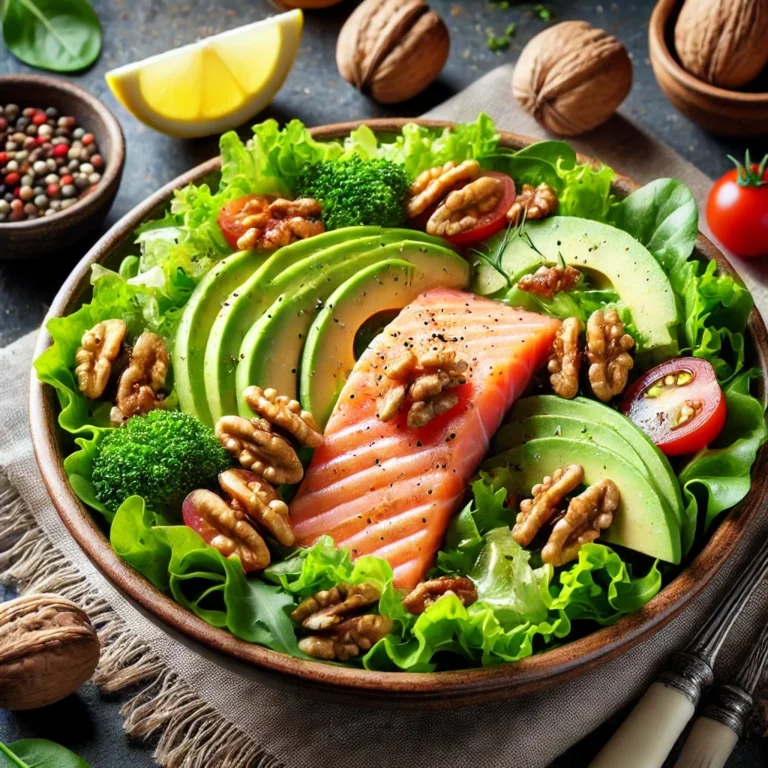
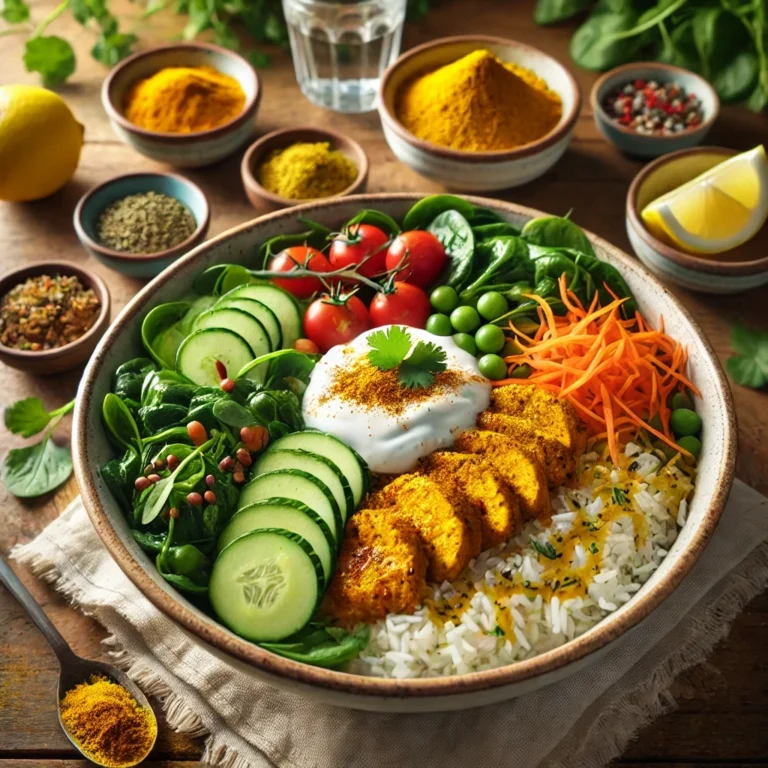
Let me know your favourite version in the comments below! And for more healthy salmon and grain bowl ideas, check out my Salmon Salad with Avocado and Walnuts and Turmeric Chicken Bowl.
Happy cooking!
Made this bowl? Share it on Pinterest or Facebook — I love seeing your beautiful bowls!