The Anti-Inflammatory Diet: What to Eat, What to Avoid, and a 7-Day Meal Plan
Inflammation gets talked about a lot in health and nutrition circles, and for good reason — chronic, low-grade inflammation is now understood to be a contributing factor in many of the most common serious health conditions, from heart disease and type 2 diabetes to arthritis and certain autoimmune disorders.
The good news is that what you eat has a genuine, measurable impact on inflammation levels in your body. An anti-inflammatory diet isn’t a strict protocol or a short-term fix — it’s a pattern of eating that emphasises whole, nutrient-dense foods and minimises the processed and refined foods that have been shown to drive inflammatory pathways.
This guide explains exactly how it works, which foods to eat and avoid, and gives you a practical 7-day meal plan built entirely around recipes from this site. One important note before we begin: this post provides general nutritional information only. If you have a specific health condition — particularly an autoimmune disease, inflammatory condition, or cardiovascular disease — please consult your doctor or a registered dietitian for personalised advice.
What Is Inflammation — and When Is It a Problem?
Inflammation itself is not the enemy. Acute inflammation is your immune system doing exactly what it’s supposed to do. When you cut your finger, sprain your ankle, or catch a cold, your body mounts an inflammatory response — sending immune cells, blood flow, and healing compounds to the affected area. This is essential and beneficial.
The problem is chronic, low-grade inflammation — a state where the immune system is perpetually slightly activated, releasing inflammatory compounds into the bloodstream over weeks, months, or years. This kind of inflammation doesn’t feel like anything specific. There’s no swelling you can see or pain you can point to. But over time, it damages tissues, disrupts hormonal signalling, and contributes to the development of serious disease.
What drives chronic inflammation? A combination of factors — but diet is one of the most significant and most modifiable. A diet high in ultra-processed foods, refined carbohydrates, industrial seed oils, and added sugar consistently raises inflammatory markers in clinical research. A diet rich in whole foods, healthy fats, fibre, and antioxidants consistently lowers them.
The Most Powerful Anti-Inflammatory Foods
These are the foods with the strongest evidence behind them for reducing inflammation. Building your diet around them doesn’t require perfection — even shifting your eating pattern meaningfully in this direction has measurable benefits.
Fatty Fish
Salmon, mackerel, sardines, herring, and anchovies are rich in EPA and DHA — the long-chain omega-3 fatty acids with the most robust anti-inflammatory evidence. These directly compete with inflammatory compounds in the body’s signalling pathways. Aim for two to three servings per week at a minimum.
Extra Virgin Olive Oil
The cornerstone of the Mediterranean diet, extra virgin olive oil contains oleocanthal — a compound with anti-inflammatory properties similar in mechanism to ibuprofen, though at far lower concentrations. Use it liberally as your primary cooking fat and for dressings.
Leafy Green Vegetables
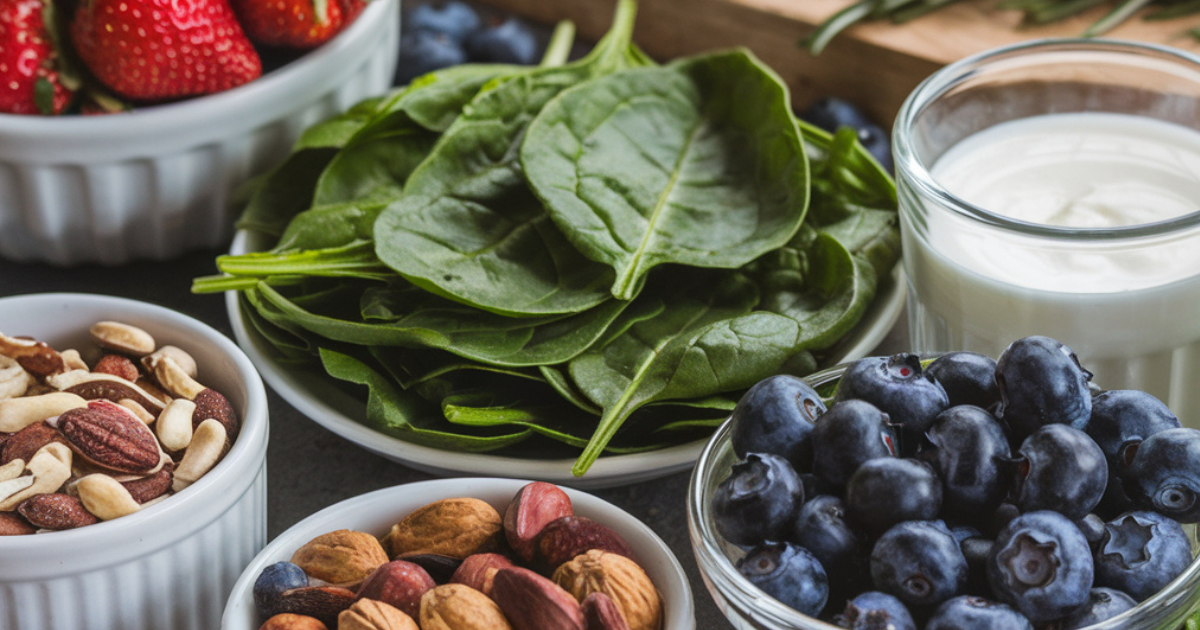
Spinach, kale, Swiss chard, and rocket are among the most nutrient-dense foods available. They’re loaded with vitamin K (which plays a role in regulating inflammatory responses), folate, magnesium, and antioxidants, including lutein and zeaxanthin. Eat them daily in generous amounts.
Berries
Blueberries, raspberries, strawberries, and blackberries are exceptionally high in anthocyanins — the flavonoid compounds responsible for their deep colours. These have been consistently shown in research to reduce markers of inflammation and oxidative stress. Frozen berries are just as effective as fresh.
Turmeric
Curcumin, the active compound in turmeric, is one of the most studied natural anti-inflammatory compounds in existence. The research is promising, though curcumin is poorly absorbed on its own — combining it with black pepper (which contains piperine) increases absorption dramatically. This is why the combination appears in so many anti-inflammatory recipes.
Ginger
Gingerols and shogaols — the active compounds in ginger — have demonstrated anti-inflammatory and antioxidant effects in multiple studies. Fresh ginger is more potent than dried. Add it to smoothies, stir-fries, soups, and dressings.
Walnuts and Other Nuts
Walnuts are the only nut with significant amounts of plant-based omega-3 fatty acids (ALA). All nuts provide healthy fats, vitamin E, and fibre, which collectively support reduced inflammatory markers. A small handful daily is a well-supported habit.
Legumes
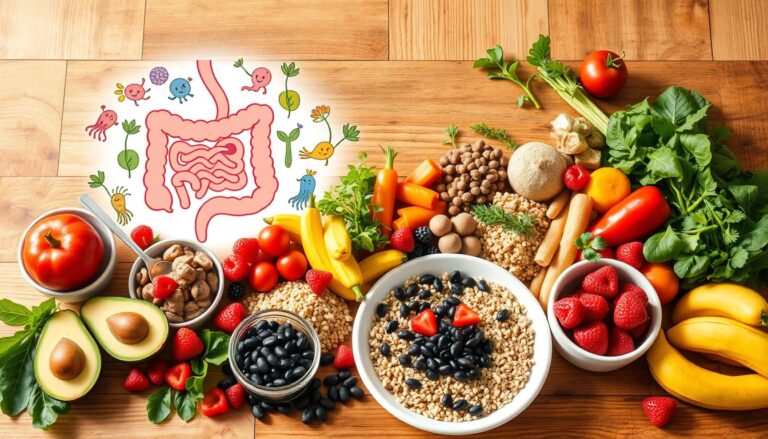
Beans, lentils, and chickpeas are high in fibre, which feeds beneficial gut bacteria and reduces systemic inflammation through the gut-immune axis. They also provide plant-based protein and polyphenols with antioxidant activity.
Whole Grains
Oats, quinoa, brown rice, and whole wheat provide complex carbohydrates and fibre that digest slowly without causing the blood sugar spikes that can promote inflammation. Replace refined white grains wherever possible.
Green Tea
Green tea contains EGCG (epigallocatechin gallate), a catechin with well-documented anti-inflammatory and antioxidant properties. Two to three cups per day is associated with measurable reductions in inflammatory markers.
Foods That Drive Inflammation — Minimise These
Just as important as what you add is what you reduce. These foods have the most consistent evidence for promoting chronic inflammation:
Ultra-processed foods — anything with a long list of ingredients, including additives, preservatives, emulsifiers, and artificial flavourings. These are associated with elevated inflammatory markers in large population studies.
Added sugar and high-fructose corn syrup — sugar drives inflammation through multiple pathways, including elevated blood glucose, increased visceral fat, and disruption of gut bacteria. Check labels carefully — sugar hides under dozens of names.
Refined carbohydrates — white bread, white pasta, white rice, pastries, and most breakfast cereals cause rapid blood sugar spikes that trigger inflammatory responses. Whole-grain versions are substantially better.
Industrial seed oils in large amounts — soybean oil, corn oil, sunflower oil, and refined vegetable oils are very high in omega-6 fatty acids. While omega-6s are essential, the modern Western diet has an extremely imbalanced omega-6 to omega-3 ratio, which promotes inflammation. Use olive oil, avocado oil, and butter instead.
Trans fats — partially hydrogenated oils found in some margarines and processed foods. Even small amounts are associated with increased inflammation and heart disease risk.
Alcohol in excess — moderate consumption may have a neutral or even slightly beneficial effect for some people, but regular heavy drinking clearly promotes inflammation and damages the gut lining.
Red and processed meat in large quantities — moderate amounts of unprocessed red meat are fine for most people, but processed meats (bacon, sausages, deli meats) and very large amounts of red meat are associated with higher inflammatory markers.
7-Day Anti-Inflammatory Meal Plan
This plan is built entirely around recipes already on this site, all of which are naturally anti-inflammatory in their ingredient profile. It’s designed to be practical and genuinely enjoyable — not a punishment.
Day 1
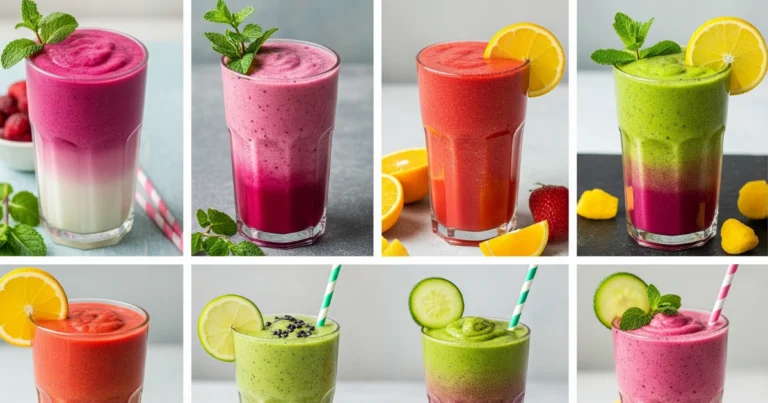
Breakfast: Spinach and Berries Smoothie Spinach, mixed berries, banana, almond milk, and chia seeds — a genuinely excellent anti-inflammatory start to the day. Berries provide anthocyanins, spinach provides vitamin K and folate, and chia seeds provide omega-3s.
Lunch: Salmon Salad with Avocado and Walnuts. Three of the most powerful anti-inflammatory ingredients in one bowl. Salmon provides EPA and DHA; avocado provides healthy monounsaturated fats and vitamin E; walnuts provide ALA and polyphenols. Dressed with lemon and olive oil.
Dinner: Lemon Garlic Shrimp with Zoodles Lean protein, lots of garlic (which has documented anti-inflammatory properties), olive oil, and courgette — light, fresh, and deeply nutritious.
Day 2
Breakfast: Chia Pudding with Berries. Chia seeds soaked overnight in almond milk, topped with fresh berries. High in omega-3 fatty acids, fibre, and antioxidants. Prep the night before for a zero-effort morning.
Lunch: Mediterranean Quinoa Salad Quinoa, cucumber, cherry tomatoes, Kalamata olives, feta, fresh herbs, and lemon olive oil dressing. The Mediterranean diet is the most well-researched anti-inflammatory dietary pattern in existence — this salad captures its essence perfectly.
Dinner: Turmeric Chicken Bowl Turmeric-marinated chicken over rice with fresh vegetables and yogurt sauce. Turmeric and black pepper together provide meaningful anti-inflammatory curcumin; the yogurt adds probiotics for gut health.
Day 3
Breakfast: Berry Green Smoothie Spinach, mixed berries, banana, almond milk, and chia seeds. Rotate between this and the spinach smoothie for variety — both are excellent.
Lunch: Avocado Chicken Wraps Shredded chicken, mashed avocado, spinach, and grated carrot in a whole-grain wrap. The avocado provides oleic acid and vitamin E; the spinach adds folate and vitamin K.
Dinner: Roasted Chicken with Brussels Sprouts. Brussels sprouts are one of the best sources of sulforaphane — a compound with documented anti-cancer and anti-inflammatory properties. Roasted with olive oil and garlic alongside chicken thighs, this is a deeply nourishing one-pan meal.
Day 4
Breakfast: Greek Yogurt Parfait Plain full-fat Greek yogurt with fresh berries, a drizzle of honey, and a tablespoon of ground flaxseed. The probiotics in the yogurt support a healthy gut microbiome, which is increasingly understood to be central to regulating inflammation.
Lunch: Dense Bean Salad A generous mix of kidney beans, chickpeas, and black beans with colourful vegetables and lemon vinaigrette. Beans are among the best dietary sources of fibre and plant-based polyphenols — both strongly associated with reduced inflammation.
Dinner: Avocado and Black Bean Tacos Spiced black beans, fresh avocado, tomato salsa, and coriander in corn tortillas. Beans, avocado, and tomatoes all contribute anti-inflammatory compounds. The corn tortillas are a whole-grain choice.
Day 5
Breakfast: Spinach and Berries Smoothie. Add half a teaspoon of fresh grated ginger and a small pinch of turmeric to the base recipe for an extra anti-inflammatory boost this morning.
Lunch: Salmon Salad with Avocado and Walnuts. Make a double portion earlier in the week, and this lunch is ready in seconds.
Dinner: Quinoa Stuffed Bell Peppers. Red bell peppers roasted and filled with spiced quinoa and black beans. Bell peppers are exceptional sources of vitamin C (a powerful antioxidant). Quinoa and black beans provide complete protein and fibre.
Day 6
Breakfast: Avocado Toast with a Poached Egg. Whole grain sourdough, mashed avocado with lemon, and a perfectly poached egg. Eggs provide choline (important for cell membrane health) and lutein; avocado provides vitamin E and healthy fats; sourdough is easier to digest than regular bread due to the fermentation process.
Lunch: Mediterranean Quinoa Salad. This keeps well in the fridge — make a big batch at the start of the week, and it’s ready when you are.
Dinner: Lemon Garlic Shrimp with Zoodles. Rotate back to this light, protein-rich dinner with generous garlic and olive oil — both of which have strong anti-inflammatory credentials.
Day 7
Breakfast: Chia Pudding with Berries and Walnuts. Add a tablespoon of roughly chopped walnuts to your chia pudding today for extra omega-3s and a satisfying crunch.
Lunch: Dense Bean Salad with a handful of fresh rocket and a drizzle of extra virgin olive oil stirred through.
Dinner: Roasted Chicken with Brussels Sprouts. A deeply satisfying end to the week — the caramelised Brussels sprouts and golden chicken alongside a simple green salad make this feel like a proper Sunday dinner.
Practical Tips for Making This Sustainable
Focus on addition, not restriction. The most effective way to shift to an anti-inflammatory diet is to add more of the good stuff rather than obsessing over eliminating the bad. When your plate is full of vegetables, healthy proteins, and whole grains, there’s naturally less room for the inflammatory foods.
The Mediterranean diet is your template. If you find all this information overwhelming, simply following a broadly Mediterranean pattern — olive oil, fish twice a week, lots of vegetables and legumes, moderate whole grains, small amounts of good quality meat — puts you in excellent territory.
Consistency matters more than perfection. One meal with inflammatory foods won’t cause damage. One year of eating predominantly anti-inflammatory foods will make a genuine, measurable difference. Think in terms of your overall dietary pattern, not individual meals.
Omega-3s are probably the most important single change. If you’re not currently eating fatty fish regularly, adding two or three servings per week is likely the single most impactful dietary change you can make for inflammation. If you dislike fish, a high-quality omega-3 supplement (fish oil or algae-based for vegans) is worth considering — speak to your doctor first.
The gut microbiome matters. Fermented foods — plain yogurt, kefir, sauerkraut, kimchi, miso — feed beneficial gut bacteria that play a central role in regulating immune function and inflammation. Try to include at least one serving of a fermented food daily.
Frequently Asked Questions
How long does it take to see results from an anti-inflammatory diet? Blood markers of inflammation (like CRP — C-reactive protein) can begin to shift within a few weeks of consistent dietary changes. How you feel — energy levels, joint comfort, digestive health — often improves noticeably within 2–4 weeks. Meaningful long-term benefits accumulate over months and years.
Do I need to follow this diet perfectly to benefit? No. Research consistently shows that even partial improvements in dietary quality produce meaningful reductions in inflammatory markers. Moving from a highly processed diet to one that includes more whole foods is beneficial, even if it’s not perfectly anti-inflammatory in every meal.
Is the anti-inflammatory diet the same as the Mediterranean diet? They overlap very significantly. The Mediterranean diet is the most well-researched anti-inflammatory dietary pattern, and following it broadly puts you in excellent anti-inflammatory territory. An anti-inflammatory diet can also draw on other evidence-based patterns like the DASH diet and traditional Japanese diets.
Should I take supplements? Food first is always the best approach. However, omega-3 supplements (fish oil or algae oil), vitamin D (especially in winter or if you have limited sun exposure), and a good probiotic are worth discussing with your doctor if you’re specifically managing an inflammatory condition.
Is coffee anti-inflammatory? The evidence on coffee is actually quite positive — moderate coffee consumption (2–4 cups per day) is associated with reduced inflammatory markers in multiple large studies, likely due to its high polyphenol content. Black coffee or coffee with a small amount of dairy is far preferable to heavily sweetened versions.
Final Thoughts
An anti-inflammatory diet is not a temporary fix or a strict protocol — it’s a sustainable, enjoyable way of eating that happens to be among the most health-protective dietary patterns we know of. The foods it emphasises are genuinely delicious: salmon, avocado, olive oil, berries, walnuts, colourful vegetables, legumes, and whole grains.
The shift doesn’t have to be dramatic or immediate. Start by adding a serving of fatty fish each week. Add a daily handful of berries. Switch from refined to whole-grain options. Use olive oil as your default cooking fat. These changes compound over time into something genuinely meaningful.
For practical inspiration, every recipe on this site fits naturally into an anti-inflammatory eating pattern. Start with the Mediterranean Quinoa Salad, the Turmeric Chicken Bowl, or the Salmon Salad with Avocado and Walnuts — all of which are anti-inflammatory powerhouses in their own right.
This post provides general nutritional information only and is not a substitute for personalised medical or dietary advice. Always consult a healthcare professional before making significant changes to your diet, particularly if you are managing a health condition.
Found this guide helpful? Share it on Pinterest or Facebook!