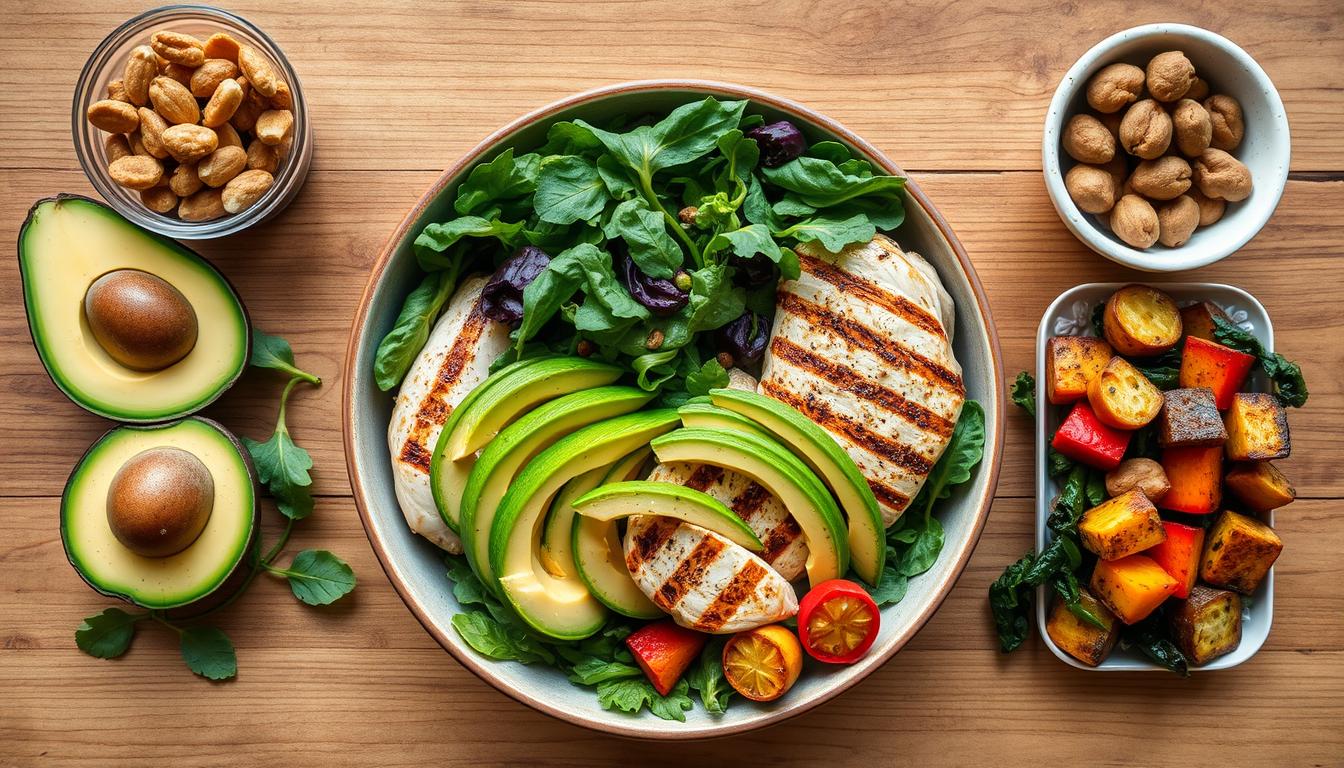
Low-Carb Meal Plans for Weight Loss: A Practical Guide That Actually Works
Low-carb eating has been one of the most consistently effective approaches to weight loss for decades — and unlike many diet trends, the evidence behind it is genuinely solid. Reducing carbohydrates lowers insulin levels, encourages the body to burn stored fat for fuel, and reduces hunger in a way that makes eating less feel far more manageable than calorie restriction alone.
But most “low-carb guides” online are full of abstract advice and generic food lists with no practical help for actually doing it. This guide is different. I’ll give you a clear explanation of how low-carb eating works, a real 7-day meal plan with specific meals and portions, a list of the best low-carb foods to keep in your kitchen, and practical tips for making this sustainable long-term.
One important note before we start: this guide provides general nutritional information only. Everyone’s body is different, and for personalised dietary advice — especially if you have diabetes, kidney disease, or any other health condition — please consult a doctor or registered dietitian.
How Low-Carb Eating Works for Weight Loss
When you eat carbohydrates, your body breaks them down into glucose, which triggers the release of insulin. Insulin’s job is to move that glucose out of the bloodstream and into your cells for energy — and any excess gets stored as fat. When insulin levels are high, fat burning is essentially switched off.
When you significantly reduce carbohydrate intake, insulin levels drop, and your body shifts into a fat-burning state. It starts using stored body fat as its primary fuel source. Over time, many people also enter a state called ketosis, where the liver produces ketones from fat as an alternative energy source — this is the basis of the ketogenic diet, which is simply a very strict low-carb approach.
The other key reason low-carb diets work for weight loss is appetite reduction. Protein and fat are far more satiating than carbohydrates, and many people find they naturally eat less without consciously trying to restrict calories.
What counts as “low-carb”?
There’s no single definition, but broadly:
- Moderate low-carb: 50–100g of net carbs per day — sustainable, flexible, and effective for most people
- Strict low-carb / keto: Under 50g of net carbs per day — faster results, requires more discipline
- Very strict keto: Under 20g of net carbs per day — typically used therapeutically or for rapid weight loss
For most people just starting, aiming for 50–100g of net carbs per day is the most realistic and sustainable approach.
The Best Low-Carb Foods to Build Your Diet Around
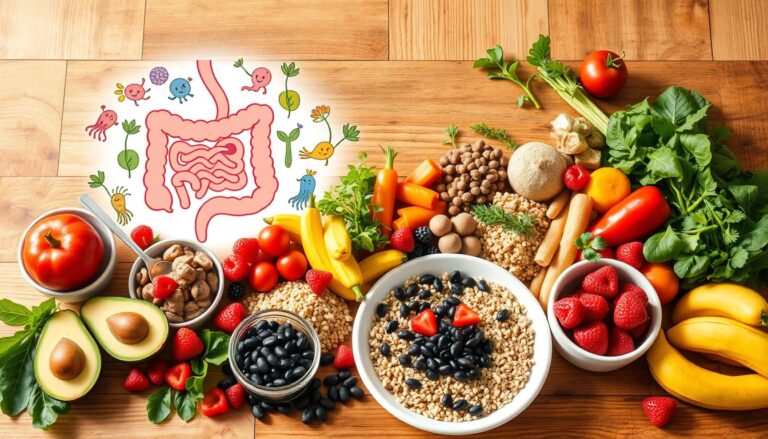
Before getting to the meal plan, here’s a clear list of the foods that form the foundation of a healthy low-carb diet.
Always eat freely:
- Meat and poultry: Chicken, turkey, beef, pork, lamb — all cuts, including fatty ones
- Fish and seafood: Salmon, tuna, cod, sardines, prawns, mackerel
- Eggs: One of the most perfect low-carb foods — versatile, filling, and nutritious
- Non-starchy vegetables: Leafy greens, broccoli, cauliflower, courgette, peppers, cucumber, celery, asparagus, green beans, mushrooms
- Healthy fats: Olive oil, avocado oil, butter, coconut oil
- Avocado: High in fat and fibre, very low in net carbs
- Cheese: Most cheeses are very low in carbs and high in protein and fat
- Nuts and seeds: Almonds, walnuts, pecans, macadamias, chia seeds, flaxseed (in moderation — calories add up)
- Full-fat dairy: Greek yogurt (plain), cream, sour cream, cream cheese
Eat in moderation:
- Berries: Strawberries, raspberries, blueberries — lower in sugar than most fruits
- Legumes: Chickpeas, black beans, lentils — moderate carbs but high in fibre and protein
- Root vegetables: Carrots, beetroot — higher carb than leafy veg but nutritious
- Whole grains in small amounts: Oats, quinoa, brown rice
Minimise or avoid:
- Sugar and sweets: All forms — obvious sources like sweets and cake, but also honey, agave, and fruit juice
- Bread, pasta, white rice
- Starchy vegetables in large amounts: Potatoes, corn, parsnips
- Most fruits in large portions: High natural sugar content
- Highly processed foods: Even “low-carb” labelled products are often full of additives
- Sugary drinks: Fizzy drinks, juice, most flavoured coffees
7-Day Low-Carb Meal Plan
This plan targets approximately 50–80g of net carbs per day — enough to put most people into a fat-burning state while remaining flexible and enjoyable. All meals are high in protein and healthy fats to keep you genuinely satisfied.
Day 1
Breakfast: Scrambled eggs with smoked salmon and avocado. 3 eggs scrambled in butter, served with 80g smoked salmon and ½ avocado. ~4g net carbs
Lunch: Grilled chicken salad with lemon vinaigrette, 180g grilled chicken breast over mixed leaves, cucumber, cherry tomatoes, and red onion. Dressed with olive oil and lemon. ~8g net carbs
Dinner: Pan-seared salmon with roasted broccoli, 180g salmon fillet with 2 cups broccoli roasted in olive oil, garlic, and lemon. ~6g net carbs
Snack: A small handful of almonds and a boiled egg. ~2g net carbs
Day total: ~20g net carbs
Day 2
Breakfast: Greek yogurt parfait (plain full-fat yogurt) 200g plain Greek yogurt with a small handful of blueberries and 1 tbsp chia seeds. ~12g net carbs
Lunch: Tuna and avocado lettuce wraps: 1 tin of tuna mixed with mayo, diced red onion, and celery, served in large romaine lettuce leaves with ½ avocado. ~5g net carbs
Dinner: Beef stir-fry with courgette noodles 200g beef strips stir-fried with soy sauce, ginger, garlic, and sesame oil over spiralised courgette with broccoli and peppers. ~10g net carbs
Snack: Cucumber sticks with 2 tbsp cream cheese. ~3g net carbs
Day total: ~30g net carbs
Day 3
Breakfast: Veggie omelette 3-egg omelette filled with mushrooms, spinach, red pepper, and cheddar cheese, cooked in butter. ~5g net carbs
Lunch: Salmon salad with avocado and walnuts. 150g cooked salmon over rocket, cherry tomatoes, cucumber, and a small handful of toasted walnuts. Lemon dressing. ~7g net carbs
Dinner: Lemon garlic shrimp with cauliflower rice, 300g prawns cooked in lemon, garlic, and butter over cauliflower rice with a side of asparagus. ~10g net carbs
Snack: 2 tbsp almond butter with celery sticks. ~3g net carbs
Day total: ~25g net carbs
Day 4
Breakfast: Chia pudding (made with unsweetened almond milk), 3 tbsp chia seeds soaked overnight in 1 cup almond milk with a few raspberries on top. ~8g net carbs
Lunch: Avocado chicken wraps (low-carb tortilla or lettuce). Shredded chicken, mashed avocado, spinach, and grated carrot in a low-carb tortilla or large lettuce leaves. ~10g net carbs
Dinner: Roasted chicken thighs with Brussels sprouts. 2 bone-in chicken thighs roasted with 300g Brussels sprouts in olive oil, garlic, and smoked paprika. ~12g net carbs
Snack: Hard-boiled egg with a pinch of salt and chilli flakes. ~1g net carbs
Day total: ~31g net carbs
Day 5
Breakfast: Bacon and egg cups 3 rashers of bacon lined in a muffin tin, filled with an egg each, baked at 180°C for 12–15 minutes. ~1g net carbs
Lunch: Mediterranean quinoa salad (small portion): ¾ cup cooked quinoa with cucumber, cherry tomatoes, Kalamata olives, feta, and lemon olive oil dressing. ~20g net carbs
Dinner: Turmeric chicken bowl with cauliflower rice. Turmeric-marinated chicken breast served over cauliflower rice with spinach, sliced cucumber, and yogurt sauce. ~12g net carbs
Snack: Small handful of mixed nuts. ~4g net carbs
Day total: ~37g net carbs
Day 6
Breakfast: Berry green smoothie (low-carb version) 1 cup spinach, ½ cup mixed berries (frozen), ½ banana (small), 1 cup unsweetened almond milk, 1 tbsp chia seeds. ~18g net carbs
Lunch: Dense bean salad (smaller portion) ½ cup mixed beans with cucumber, red pepper, red onion, fresh herbs, and lemon vinaigrette. ~15g net carbs
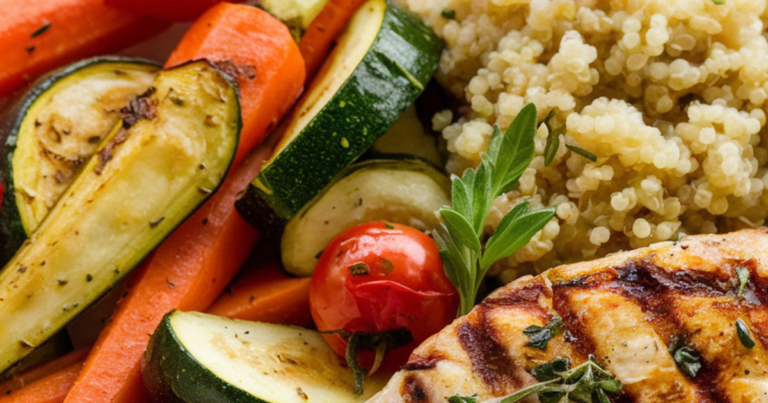
Dinner: Baked cod with roasted courgette and cherry tomatoes. 200g cod fillet baked with olive oil, garlic, and lemon alongside roasted courgette and cherry tomatoes. ~8g net carbs
Snack: 30g cheddar with cucumber slices. ~2g net carbs
Day total: ~43g net carbs
Day 7
Breakfast: Avocado toast (low-carb bread) with a poached egg. 1 slice low-carb or rye bread toasted, topped with ½ mashed avocado and 1 poached egg. ~10g net carbs
Lunch: Leftover roasted chicken with a big green salad. Shred leftover chicken over spinach, rocket, cucumber, and olives with olive oil and lemon. ~5g net carbs
Dinner: Avocado and black bean tacos (2 corn tortillas). Spiced black beans, sliced avocado, salsa, and fresh coriander in 2 small corn tortillas. ~28g net carbs
Snack: Plain Greek yogurt with a few walnuts. ~6g net carbs
Day total: ~49g net carbs
Low-Carb Meal Prep Tips
Meal prep is the single most important factor in making low-carb eating sustainable long-term. When healthy food is already prepared and ready to eat, you’re far less likely to reach for high-carb convenience foods.
Sunday prep session (about 1 hour):
- Cook a large batch of protein: roast a whole chicken, bake 4–6 salmon fillets, or cook a big batch of chicken thighs. Use throughout the week in salads, wraps, and bowls.
- Hard-boil 6 eggs — perfect grab-and-go snacks or quick breakfast additions.
- Wash, dry, and chop salad vegetables: cucumber, peppers, cherry tomatoes. Store in sealed containers.
- Make a large batch of dressing and keep it in a jar in the fridge.
- Spiralise a couple of courgettes and store in a container — instant low-carb pasta base.
Keep these ready in your fridge at all times:
- Cooked protein (chicken, salmon, hard-boiled eggs)
- Pre-washed salad leaves
- Sliced vegetables for snacking
- Avocados (at various stages of ripeness)
- Greek yogurt, cheese, and cream cheese
- Pre-made dressings
Smart Low-Carb Snacks
Snacking on low-carb is easy once you know what to reach for:
- Hard-boiled eggs — protein-packed, zero prep, genuinely filling
- Cheese and cucumber slices — satisfying and takes 30 seconds to prepare
- Almonds, walnuts, or macadamias — a small handful goes a long way (watch portions)
- Celery with almond butter or cream cheese
- A small portion of plain Greek yogurt with berries
- Avocado with a pinch of salt and chilli flakes
- Smoked salmon slices with cream cheese
- Olives — one of the best low-carb snacks available
- Tin of tuna — emergency protein when you’re out
Common Mistakes to Avoid
Not eating enough fat. This is the most common beginner mistake. On a low-carb diet, fat becomes your primary energy source. If you reduce carbs but also eat low-fat foods, you’ll be constantly hungry and have no energy. Don’t fear healthy fats — embrace them.
Ignoring vegetables. Some people go low-carb and end up eating only meat and cheese. Non-starchy vegetables are essential for fibre, vitamins, and gut health. Fill half your plate with them.
Eating too many “low-carb” processed foods. Protein bars, low-carb bread, and keto snacks are often full of artificial sweeteners and additives. Base your diet on real, whole foods.
Giving up after the first week. The first 3–7 days of low-carb eating can feel rough — headaches, fatigue, and irritability are common as your body adapts. This is sometimes called the “keto flu.” It passes. Stay hydrated, eat enough salt, and push through. By day 10, most people feel significantly better than they did before starting.
Not drinking enough water. Low-carb diets cause your kidneys to excrete more sodium and water. Drink plenty of water and consider adding a pinch of salt to your water or eating saltier foods in the first week.
Frequently Asked Questions
How quickly will I lose weight on a low-carb diet? Most people lose 1–3kg in the first week, but this is largely water weight as the body depletes its glycogen stores (which hold a lot of water). After that, expect 0.5–1kg per week of actual fat loss, depending on your calorie deficit. Results vary significantly between individuals.
Do I need to count calories on a low-carb diet? Not necessarily. Many people naturally eat fewer calories on a low-carb diet because protein and fat are more satiating. However, if weight loss stalls after the first month, tracking calories for a week or two can help identify where you might be overeating.
Can I eat fruit on a low-carb diet? In moderation, yes. Berries (strawberries, raspberries, blueberries) are the lowest-sugar option. Whole fruits are far preferable to fruit juice, which removes the fibre and concentrates the sugar. Avoid large amounts of high-sugar fruits like bananas, grapes, and mangoes, especially in the early stages.
Is low-carb eating safe long-term? For most healthy adults, yes. Well-formulated low-carb diets that include plenty of vegetables, quality protein, and healthy fats are nutritionally complete and have a strong safety record in research. However, anyone with diabetes, kidney disease, or other health conditions should consult a doctor before significantly changing their diet.
Will I feel tired on a low-carb diet? Possibly in the first week, yes — this is the adaptation phase. After that, many people report more stable, consistent energy throughout the day without the blood sugar spikes and crashes that come with high-carb eating. Give it at least two weeks before making a judgment.
Final Thoughts
Low-carb eating is not a fad — it’s a well-researched, practical approach to weight loss and metabolic health that works for many people. The key is doing it properly: eating real food, not processed “low-carb” products; getting plenty of vegetables; eating enough fat and protein to feel genuinely satisfied; and giving your body time to adapt.
The 7-day meal plan above is a starting point, not a rigid rulebook. Use it as a template and adapt it to your own tastes and schedule. The best low-carb diet is one you can actually sustain.
For specific recipe ideas, check out my Lemon Garlic Shrimp with Zoodles, Turmeric Chicken Bowl, and Salmon Salad with Avocado and Walnuts — all of which fit perfectly into a low-carb lifestyle.
This post provides general nutritional information only and is not a substitute for personalised medical or dietary advice. Always consult a healthcare professional before making significant changes to your diet.
Found this guide helpful? Share it on Pinterest or Facebook!