Everything You Need to Know About Mushy Green Peas – Recipes, Tips, and Fun Facts
Green peas are one of the most underrated vegetables in the kitchen. Small, sweet, and brilliantly versatile, they tend to be treated as an afterthought — a quick side dish or a handful added to a stew — rather than the genuinely nutritious ingredient they are. But a closer look at what’s inside a pea reveals something impressive: meaningful amounts of plant-based protein, significant dietary fibre, a wide range of vitamins and minerals, and a calorie count low enough that you can eat them freely without a second thought.
This guide covers everything worth knowing about the nutritional value of green peas — the science behind their health benefits, a complete breakdown of their nutrients, and practical ways to use them in your cooking. For the full recipe on turning them into a classic British side dish, check out our dedicated Mushy Green Peas recipe →
What Are Green Peas?
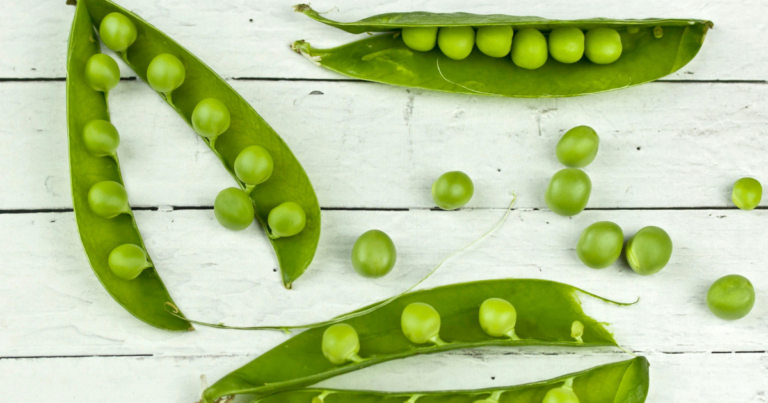
Green peas (Pisum sativum) are the seeds of the pea plant, harvested while still young and sweet. They’re technically a legume — in the same botanical family as lentils, chickpeas, and beans — which is why their nutritional profile is closer to that of legumes than most vegetables: higher in protein, higher in fibre, and more substantial in terms of calories than leafy greens or cucumbers.
There are three main varieties commonly found in shops:
Garden peas are the round, sweet peas shelled from their pods — the classic pea. These are what you find in tins and frozen bags, and what most people mean when they say “peas.” They’re the sweetest variety and the most widely used in cooking.
Snow peas have flat, edible pods with tiny, underdeveloped seeds inside. The whole pod is eaten. They’re most commonly used in Asian cooking — stir-fries, salads, and noodle dishes — where their crispness and mild sweetness shine.
Snap peas combine the sweet seeds of garden peas with the crunchy, edible pods of snow peas. They’re excellent raw as a snack or in salads, and cook quickly in stir-fries.
For nutritional purposes, this guide focuses on garden peas — both fresh and frozen — as these are the most widely consumed.
Nutritional Profile of Green Peas
Here is the complete nutritional breakdown for 100g of cooked green peas, based on data from the USDA FoodData Central:
| Nutrient | Per 100g (cooked) |
| Calories | 84 kcal |
| Protein | 5.4g |
| Carbohydrates | 15.6g |
| of which sugars | 5.7g |
| Fat | 0.4g |
| Dietary fibre | 5.5g |
| Vitamin C | 14mg (16% DV) |
| Vitamin K | 24mcg (20% DV) |
| Folate (B9) | 65mcg (16% DV) |
| Thiamine (B1) | 0.3mg (25% DV) |
| Vitamin A | 54mcg (6% DV) |
| Iron | 1.5mg (8% DV) |
| Magnesium | 39mg (9% DV) |
| Potassium | 271mg (6% DV) |
| Zinc | 1.2mg (11% DV) |
| Manganese | 0.4mg (17% DV) |
DV = Daily Value based on a 2,000-calorie diet
What makes this profile remarkable is the combination of moderate protein, high fibre, meaningful vitamin and mineral content — all for just 84 calories per 100g. This is a nutrient density ratio that very few foods can match.
Green Peas Compared to Other Vegetables
To put the nutritional value of green peas into context, here’s how they compare to other common vegetables per 100g cooked:
| Vegetable | Calories | Protein | Fibre |
| Green peas | 84 kcal | 5.4g | 5.5g |
| Broccoli | 35 kcal | 2.4g | 3.3g |
| Spinach | 23 kcal | 2.9g | 2.4g |
| Carrots | 41 kcal | 0.9g | 3.0g |
| Sweet corn | 96 kcal | 3.4g | 2.4g |
| Green beans | 35 kcal | 1.8g | 3.4g |
Green peas stand out clearly for their protein content — more than twice that of broccoli, three times that of carrots, and significantly more than most vegetables. This is the legume influence showing through, and it’s one of the key reasons peas are particularly valuable in plant-based diets.
The Key Health Benefits of Green Peas
1. Excellent Plant-Based Protein Source
With 5.4g of protein per 100g, green peas provide more protein than almost any other vegetable. This makes them genuinely valuable for vegetarians, vegans, and anyone looking to reduce their reliance on animal protein. They’re not a complete protein on their own (they’re lower in methionine), but when combined with grains — as in the classic rice and peas combination — they provide all essential amino acids.
Pea protein has gained significant attention in food science in recent years. According to Healthline, pea protein is highly digestible and has been shown in studies to support muscle growth comparably to whey protein, making it a popular ingredient in plant-based protein supplements.
2. High in Dietary Fibre
At 5.5g of fibre per 100g, green peas are among the most fibre-dense vegetables available. A generous serving (200g) provides around 11g of fibre — more than a third of the daily recommended intake for adults.
This fibre comes in both soluble and insoluble forms. The soluble fibre slows digestion, moderates blood sugar response, and feeds beneficial gut bacteria. The insoluble fibre adds bulk and supports regular bowel movements. The NHS recommends 30g of dietary fibre per day — green peas are one of the most practical and delicious ways to close that gap.
3. Rich in Antioxidants
Green peas contain a range of antioxidant compounds, including vitamin C, vitamin E, zinc, and various carotenoids. They’re also a source of flavonoids — particularly catechins and epicatechins — which have been studied for their role in reducing inflammation and protecting cells from oxidative damage.
The bright green colour of fresh peas is itself a visual indicator of chlorophyll and carotenoid content — both of which have antioxidant properties. Research published in the Journal of Agricultural and Food Chemistry has identified green peas as containing a particularly diverse range of phenolic compounds compared to many other vegetables.
4. Supports Heart Health
Several of the nutrients in green peas contribute to cardiovascular health. The fibre content helps reduce LDL (bad) cholesterol. Potassium supports healthy blood pressure by counteracting the effects of sodium. The folate and B vitamins help regulate homocysteine levels — elevated homocysteine is associated with increased cardiovascular risk.
The flavonoids in peas, particularly quercetin and kaempferol, have also been studied for their cardioprotective effects. Harvard T.H. Chan School of Public Health notes that regular legume consumption is associated with significantly reduced risk of heart disease.
5. Helps Regulate Blood Sugar
Despite containing carbohydrates, green peas have a relatively low glycaemic index (GI of around 48) compared to most starchy foods. This is largely due to their high fibre content, which slows the digestion and absorption of their natural sugars. The protein content also contributes to a blunted glucose response.
This makes green peas a sensible choice for people managing blood sugar levels, including those with or at risk of type 2 diabetes. The American Diabetes Association recommends legumes as an excellent carbohydrate choice for blood sugar management.
6. Excellent Source of Vitamins K, C, and Folate
Vitamin K: Essential for blood clotting and bone metabolism. A 100g serving of green peas provides 20% of the daily recommended intake. Regular adequate vitamin K intake is associated with better bone density and reduced fracture risk.
Vitamin C: Important for immune function, collagen synthesis, and iron absorption. Green peas provide around 16% of the daily recommended intake per 100g. The vitamin C in peas also enhances the absorption of the iron they contain — an important synergy, particularly for plant-based eaters.
Folate: Critical during pregnancy for neural tube development, and important throughout life for DNA synthesis and cell division. Green peas provide 16% of the daily recommended folate intake per 100g, making them a practical everyday source of this important B vitamin.
Fresh, Frozen, or Canned — Which Is Best?
This is one of the most common questions about peas, and the answer is more nuanced than most people expect.
Fresh peas (in season, from the pod) have the best flavour and texture. However, peas begin converting their sugars to starch immediately after being picked, which means their sweetness and nutritional quality can decline quickly. Truly fresh peas eaten within hours of being picked are exceptional. Supermarket “fresh” peas that have been sitting in transit and on shelves for several days are often inferior to frozen.
Frozen peas are the nutritional standout for most people. They’re typically frozen within hours of being picked — at the peak of their ripeness and nutritional density — which locks in vitamins, minerals, and natural sweetness. Research consistently shows that frozen peas are nutritionally comparable or superior to “fresh” peas that have travelled long distances. They’re also more affordable, available year-round, and require zero prep.
Canned peas are the least optimal — the high-heat canning process degrades some heat-sensitive vitamins (particularly vitamin C), and they often contain added salt. They also tend to be softer and less flavourful than fresh or frozen. Use them if convenience demands it, but rinse thoroughly to reduce sodium content.
Verdict: For everyday cooking, frozen peas are the best choice for most people — convenient, affordable, nutritious, and consistently good.
How to Get the Most Nutrition from Green Peas
Don’t overcook them. Green peas lose their vibrant colour, texture, and vitamin C rapidly with prolonged heat. Frozen peas need only 2–3 minutes in boiling water, or 3–4 minutes in a pan with a splash of water. The moment they’re bright green and heated through — stop cooking.
Eat them with a source of vitamin C. Their iron is non-haem iron (plant-based), which is less easily absorbed than haem iron from meat. Pairing peas with a vitamin C source (lemon juice, tomatoes, bell peppers) significantly increases iron absorption.
Combine with grains for complete protein. Peas are lower in the amino acid methionine. Pairing them with grains (rice, bread, pasta, quinoa) creates a complementary amino acid profile that together provides all essential amino acids — important for anyone relying on plant-based protein sources.
Add them to soups and stews at the end. Adding frozen peas in the final 2–3 minutes of cooking a soup or stew preserves their colour, texture, and vitamin content far better than adding them at the start and cooking for 20+ minutes.
How to Use Green Peas in Your Cooking
Green peas are one of the most versatile ingredients in a healthy kitchen. Here are some of the best ways to use them:
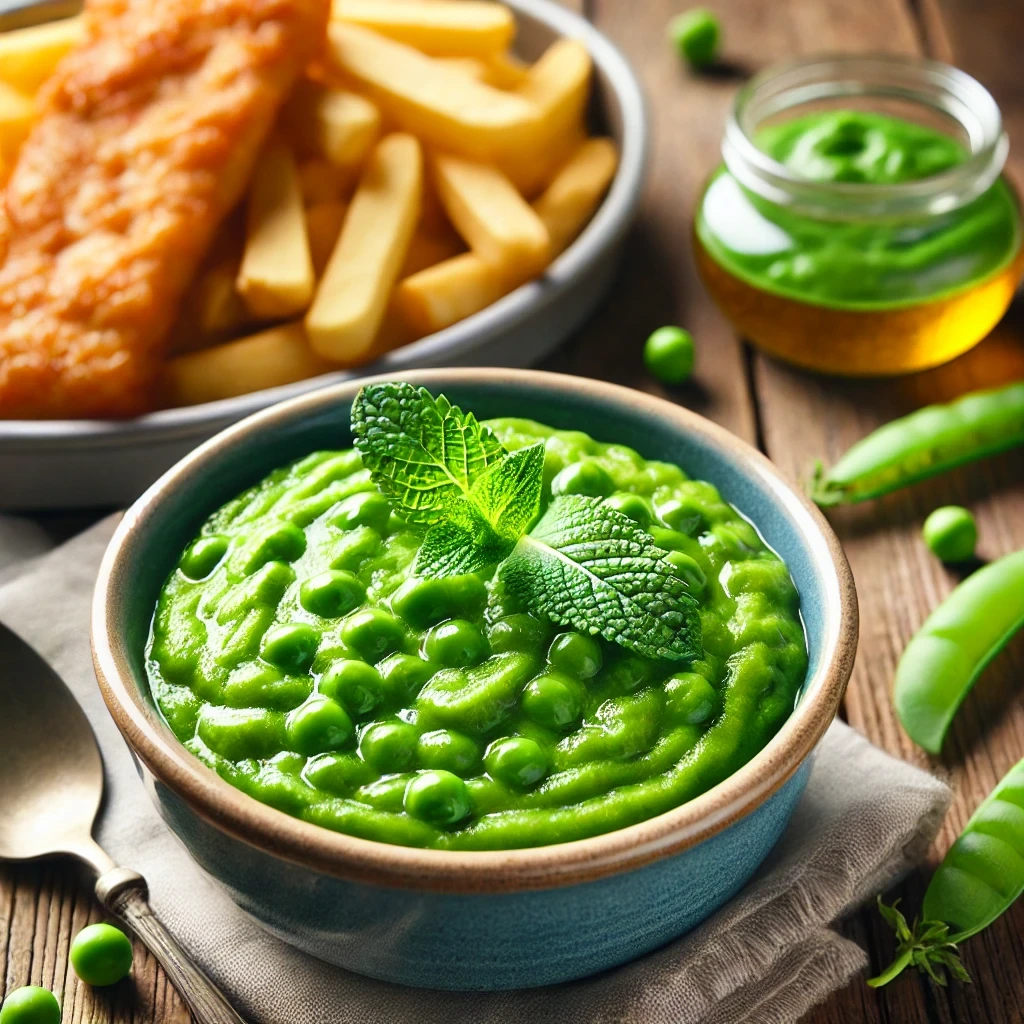
Mushy peas — the classic British preparation, simmered until soft and mashed with butter and mint. Perfect alongside fish and chips, sausages, or on toast with a poached egg. Full recipe: How to Make Perfect Mushy Green Peas →
In grain bowls — stir a handful of frozen peas into warm quinoa or brown rice for instant colour, protein, and fibre. They need no cooking in warm grain — the residual heat defrosts and warms them perfectly. Try them in our Mediterranean Quinoa Salad →
In pasta dishes, toss peas into the pasta in the final 2 minutes of cooking. They work particularly well with a simple olive oil and garlic sauce, or stirred through our Whole Wheat Pasta with Tomato Sauce →
In smoothies, frozen peas can be added to green smoothies in place of some of the spinach. They’re milder than spinach and add protein without changing the flavour noticeably. Try adding 2 tablespoons to our Berry Green Smoothie →
In soups, blended pea and mint soup is a classic spring dish. Simmer frozen peas in vegetable stock for 5 minutes, blend with fresh mint and a little butter, and season generously. Ready in 10 minutes.
In salads, raw or briefly blanched peas add sweetness and colour to salads. They work particularly well with feta cheese, fresh mint, and a lemon dressing.
On their own, as a side — steam or boil for 2–3 minutes, toss with butter, salt, and fresh mint. Simple, nutritious, and genuinely delicious.
Green Peas and Sustainability
Green peas are one of the most environmentally friendly foods available. Like all legumes, peas fix nitrogen from the atmosphere into the soil — a natural fertilisation process that reduces the need for synthetic nitrogen fertilisers and actually improves soil health for subsequent crops. They also have a relatively low water footprint and produce far fewer greenhouse gas emissions per gram of protein than animal protein sources.
For anyone interested in reducing the environmental impact of their diet, increasing legume consumption — including green peas — is one of the most practical and evidence-supported steps available.
Frequently Asked Questions
Are frozen peas as nutritious as fresh? In most cases, yes — and often more so. Frozen peas are typically frozen within hours of picking, preserving their nutritional content very effectively. Supermarket “fresh” peas that have travelled long distances and sat on shelves for days can have significantly lower vitamin C content than their frozen counterparts.
Can people with IBS eat green peas? Green peas are moderately high in FODMAPs (fermentable carbohydrates that can trigger IBS symptoms). However, a small serving (around 30–40g) is generally considered low-FODMAP and well-tolerated by most people with IBS. Larger portions may cause bloating or discomfort. If you have IBS, start with small amounts and observe your body’s response. Consult a dietitian for personalised guidance.
Do green peas count as one of your five a day? Yes — in the UK, green peas count towards your five portions of fruit and vegetables per day. A portion is 80g (about 3 heaped tablespoons). However, like all pulses and legumes, they can only count as one of your five-a-day regardless of how much you eat.
Are green peas good for weight loss? Yes — their combination of protein, fibre, and relatively low calories makes them genuinely filling for their calorie count. They’re harder to overeat than higher-calorie foods, and their fibre and protein content means they keep you satisfied for longer. For more on using nutrient-dense foods for weight management, see our Weight-Loss Meal Plans guide →
Can children eat green peas? Yes, green peas are an excellent food for children. They’re sweet, colourful, and packed with nutrients including folate (important for growth and development) and vitamin C. For very young children, lightly mashing them avoids any choking risk.
Final Thoughts
Green peas deserve far more credit than they typically receive. They are genuinely nutritious — high in protein for a vegetable, rich in fibre, loaded with vitamins and minerals, low in calories, and deeply versatile in the kitchen. They’re also affordable, widely available, and sustainable to produce.
Whether you’re using them to make mushy peas → as a side dish, stirring them into grain bowls, adding them to soups, or blending them into smoothies — peas are one of the most practical, nutritious ingredients you can keep in your freezer.
For more guidance on building a nutritious diet around whole plant foods, check out our High-Fiber Meal Plans guide → and Anti-Inflammatory Meal Plans →
This post provides general nutritional information only and is not a substitute for personalised medical or dietary advice.
Found this guide useful? Share it on Pinterest or Facebook!